What has most shaped your plan so far?
No votes yet. Yours will be the first. · saved on this device
Loading...
Porch Planbook · Reviews
A useful review of a porch or sunroom builder describes the structure a winter or two later, mentions the roof junction, the flashing or the footings, and explains how a problem was handled. This page explains how to read reviews and references, what to ask past clients and what red flags mean, so the judgment rests on evidence rather than on a star count.
A porch looks finished the day the trim goes on, and it looks the same for a year whether the flashing behind the siding is right or not. The reviews that matter are written after the first spring thaw or the first tropical storm, and they are rare. This page is about finding them and about what to ask when a matched builder offers past clients to call.
This site does not publish ratings or testimonials for any builder. It explains how to evaluate what you find elsewhere. Houzz's 2026 study found 71% of outdoor renovators hired a professional; nearly all of them read reviews first, and few reviews say anything about a kick-out diverter.
It is dated a year or more after completion, or updated then. It mentions the structure: the footings went below frost, the crew flashed the roof into the wall and showed the homeowner before the siding went back, the floor drains away from the house, the post bases stand off the concrete. It describes a problem and its resolution: a screen door that sagged and was rehung within the week, a permit inspection that failed on a railing detail and was corrected. It covers the scope you are buying: a roof tie-in on a two-story house, a screen system, a four-season foundation. NAR's data shows a typical outdoor project Joy Score of 9.7 and of owners with a greater desire to be home afterward, which is to say almost everyone is happy on completion day; the review that matters is the one written after that.
Homeowner polls
No votes yet. Yours will be the first. · saved on this device
No votes yet. Yours will be the first. · saved on this device
 Service guideFront Porch Design & Build
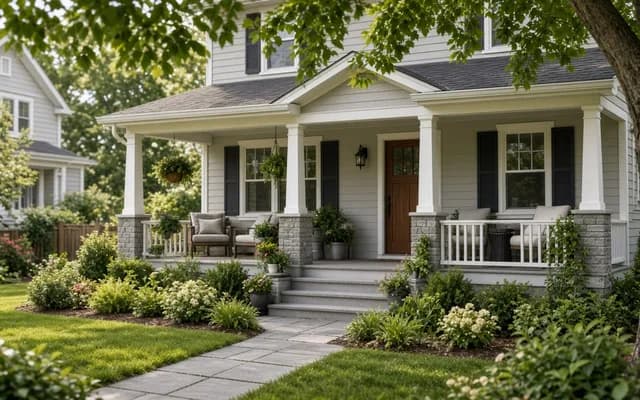
Front porch design and build covers a new or rebuilt covered porch at the entry: footings, floor, columns, roof tied into the house, steps, railings and lighting.
 Service guideScreened Porch Construction
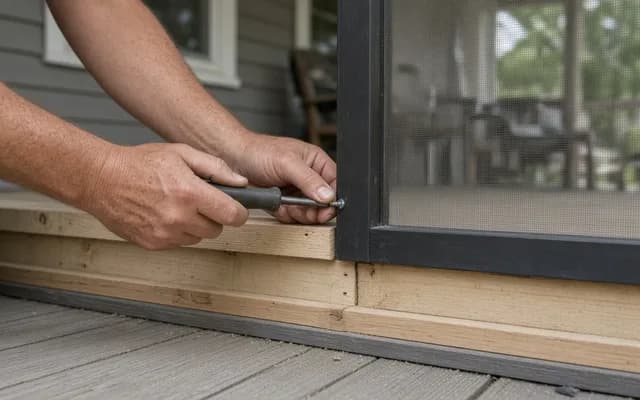
Screened porch construction covers either screening an existing covered porch or building a new roofed, screened, unconditioned room: structure, screen panels or a screen system, a screen door, floor and roof details, and electrical.
 Service guideSunroom Additions
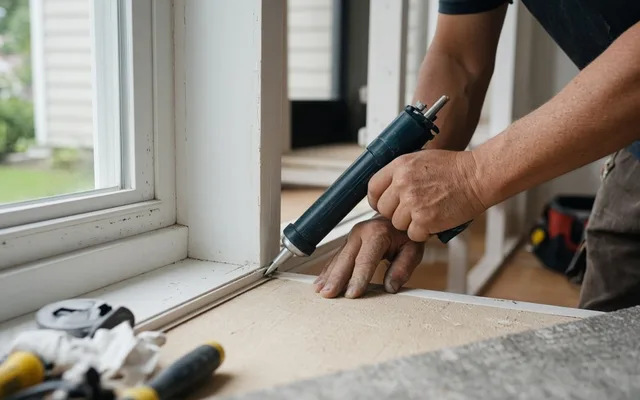
A sunroom addition is an enclosed, glazed room attached to the house, built either as a three-season room that is closed but unconditioned or a four-season room with an insulated foundation, thermal glass and heating and cooling that counts as living space.
Tell us the size, the condition of what is there now, and what you want to change. Porch Planbook passes your request to independent local professionals, who reply with written, no-obligation estimates. The service is free to use.
It also matches the region. A builder praised for screened porches in Florida has experience with wind-rated systems and no-see-um mesh, not with 42-inch footings and snow-rated roofs. Look for reviews of screened porches, front porches with roof tie-ins, or sunrooms with their own foundations, depending on what you are building.
Ask about water, not columns. Has the roof junction leaked, or shown a stain on the ceiling inside? Does the floor drain after rain, or puddle at the house? Did the crew show you the flashing before it was covered? Did the footings go to the depth on the drawings, and did the inspector see them? Did the final price match the proposal, and what changed? Were the permit and inspections handled by the builder, and did it pass the first time? Did the screens or windows arrive when promised? Would you hire them for the sunroom?
Then go and look, ideally at a porch two winters old. Stand at the corner where the roof meets the wall and look for stains, lifted siding or a missing kick-out. Look under the floor at the post bases. Look at the steps for settlement. Houzz's 2026 study found 41% of outdoor projects were triggered by deterioration, and the same study found 53% of its renovators named appearance as a goal, which fresh photos flatter; a two-year-old porch with no repairs is the reference that counts.
In reviews: a burst of five-star reviews in one week; praise for price with nothing about the work; a pattern of leaks blamed on the homeowner; deposits taken with start dates that kept moving. In proposals: a square-foot price with no footing depth; no mention of flashing at the roof junction; a ledger through brick veneer; a screened porch bid on a deck frame with no structural check; a four-season room with no foundation insulation or glass U-factor named; a roofed porch with no permit line. Fixr prices demolition of an old porch at $500 to $1,000 and a full replacement at $15,500 to $36,000, and a builder short of work may underbid the invisible parts to win; the missing lines are where the leaks begin.
Reviews tell you how a builder behaved for others. The proposal tells you what they intend to build for you. The site visit tells you how they think. A builder who looks at the eave height, taps the siding to find the framing, asks what is behind the wall and where the water goes before talking about columns has shown you their method. Houzz found 24% of outdoor renovators wanted easier maintenance, and a builder who explains how each detail sheds water is offering exactly that. A proposal that names footings, flashing, ledger method and the screen system confirms it; references then confirm they follow through. The project brief starts that process and the services overview lists what each proposal should contain so the comparison is fair.
Because a rating collapses a flashing detail, a footing depth and a two-winter track record into a number that mostly reflects how the homeowner felt on completion day. The site matches homeowners with independent professionals and explains how to evaluate them, but it does not rank them, publish testimonials or claim any project count. The evaluation is the homeowner's, using the questions on this page.
Two or three for porches like yours, and at least one that is two or more winters old. Ask for addresses of local porches you can drive past; a builder confident in the roof tie-in will offer them. References only for decks when you are buying a roofed porch, or only for kits when you are buying a custom sunroom, are worth noting.
For patterns, yes: repeated mentions of leaks, no-shows, price changes or permit problems, and confirmation that the business has operated for years. They are weak on whether the porch was built right, because most reviewers do not know what a kick-out is. Read them for behavior and follow-through; rely on references, the site visit and the written proposal for the technical judgment.
In writing: workmanship on the structure and the roof tie-in for a stated period, commonly two to five years; what is excluded, such as damage from ice dams caused by the house's own roof or from homeowner changes; and how a claim is handled. Screen systems, windows and roofing carry separate manufacturer warranties. A verbal promise to come back is not a warranty; ask to see the text before signing.
Yes, where the state or city licenses the trade, and always for insurance. Ask for the license number and check it with the issuing agency. Ask for a current certificate of general liability insurance and, if there are employees, workers' compensation, with you as certificate holder. Roof work and excavation carry real risk to people and to the house; insurance is not optional.
Ask questions a script does not cover: what surprised you, what would you change, what happened when they found rot in the rim joist, has the ceiling stained since. A genuine client tells a story; a rehearsed one repeats adjectives. Then go look at the porch. A two-winter-old roof junction with no stain does not need a script.
By the proposal and the visit. A new business run by an experienced carpenter can do excellent work and will show it in a proposal that names footings, flashing and the ledger method without being asked, and in a visit that starts with the eave height and the framing behind the siding. Ask about prior experience, ask for any reference from that work, and confirm insurance. Then weight the written specification heavily.