What is the main thing the porch is for?
No votes yet. Yours will be the first. · saved on this device
Loading...
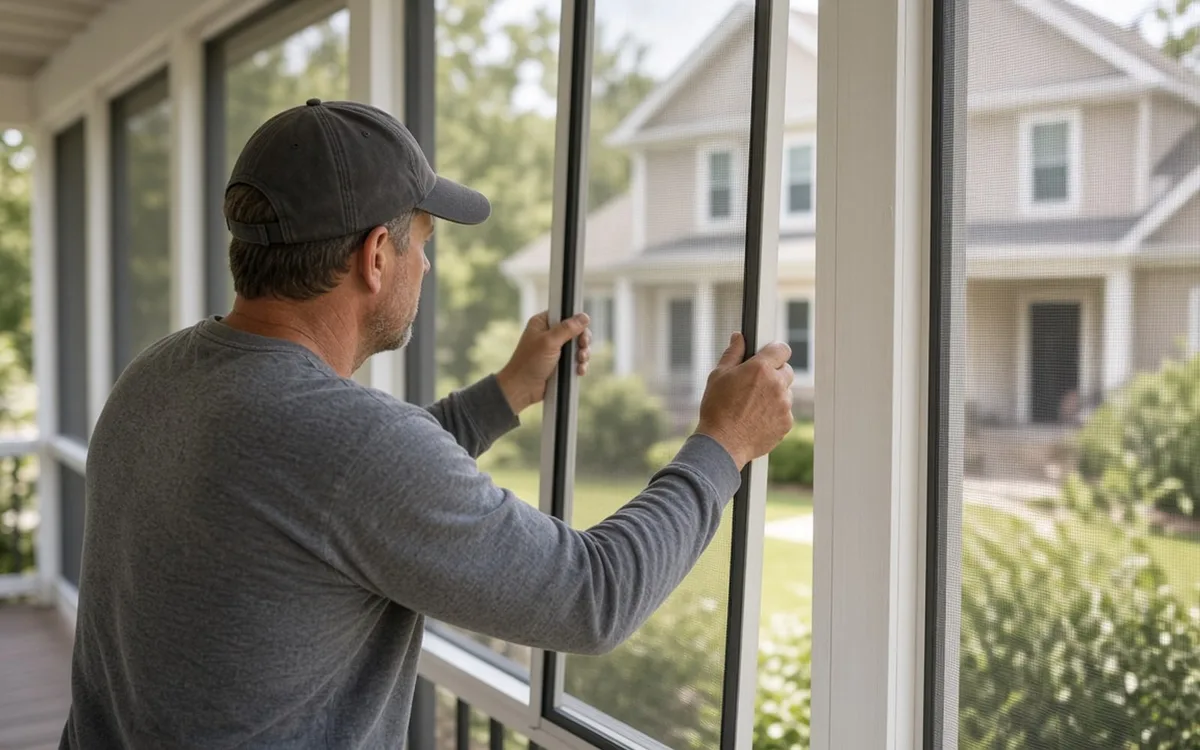
About Porch Planbook
Porch Planbook is an independent planning resource for homeowners considering a front porch, a screened porch or a sunroom. It publishes sourced cost, market and resale data, explains the roof, foundation and permit details that decide whether a porch lasts, and forwards project briefs to independent local professionals who reply with a free written estimate.
Most porch advice online is either a product page or a photo gallery. Neither tells you that the flashing at the roof junction is where the porch will fail, that a screened porch and a sunroom are different foundations, or that HomeAdvisor prices a four-season room at double a covered porch. This site is built around those facts, in the voice of an estimator explaining a job on the front step.
Porch Planbook does not build anything. It publishes, explains and matches. When a homeowner sends a brief, independent professionals in that area respond with their own estimates on their own terms, and the homeowner decides. The site sets no prices, takes no fee from homeowners and schedules no work.
Every statistic carries a source, a year and a link. Cost figures come from published guides updated in 2025 and 2026: HomeAdvisor, Angi, HomeGuide, Fixr, Lawn Love, HomeLight and several builders' own guides. Resale figures come from HomeAdvisor and HomeLight for porches and sunrooms, Opendoor's summary of 2026 return data, the National Association of Realtors' 2023 Remodeling Impact Report and Zonda's 2025 Cost vs. Value Report. Market and behavior figures come from Houzz's 2026 U.S. Outdoor Trends Study, the International Casual Furnishings Association's 2025 research and a Talker Research survey for Trex. Public data comes from the U.S. Census Bureau's Characteristics of New Housing and the EIA's 2024 Residential Energy Consumption Survey. Permit guidance cites DoINeedAPermit.org and a builder's guide, with the reminder that local codes govern.
Where sources describe different things, the site says so. HomeLight, citing HomeAdvisor, reports a screened porch recovers about 84%; HomeAdvisor puts sunrooms at about 49%. Both appear on the home page, because a homeowner choosing between them needs both. Surveys of a platform's users are described as that, not as national counts: when Houzz's 2026 Houzz & Home Study reports 54% of its homeowners renovated in 2025 and 50% plan to in 2026, those are Houzz users, not every household.
Because they are where porches fail and where proposals go quiet. By our count of Census new-home data, 671,000 new single-family homes, or 66.8% of those completed, came with a porch in 2025, and a large share of the porches being rebuilt on older houses are being rebuilt because a ledger rotted, a post base wicked water or a roof junction leaked into the wall. Houzz's 2026 study found 41% of outdoor renovations were triggered by deterioration. A homeowner who asks about step flashing and post bases on the first visit gets a different proposal than one who asks about column styles, and the site is designed to turn readers into the first kind.
The same logic applies to enclosure. A screened porch is a roofed floor with panels; a sunroom is a room with a foundation. Owners who buy one expecting the other are the site's most common contact-page story, which is why the services overview separates the three scopes before anything is priced.
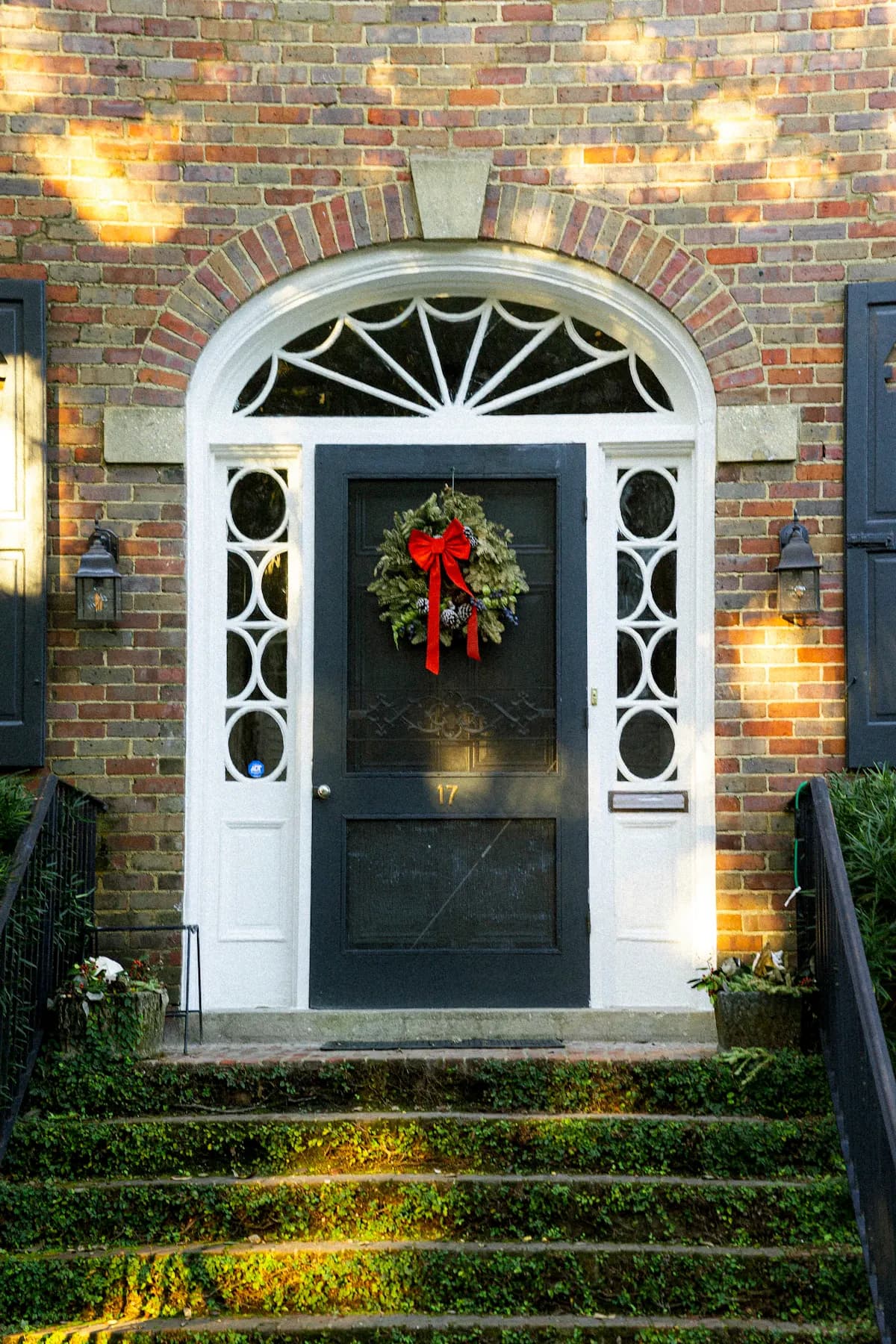
A homeowner completes a short brief on the contact page: location, enclosure level, the wall it attaches to, photos, and questions. The brief goes to independent professionals serving that area. They respond directly, usually to arrange a site visit, and provide a written estimate at no charge and with no obligation. The homeowner verifies licensing where required, insurance and references, using the reviews page as a guide, and contracts directly with whoever they choose.
The site does not rate, rank or endorse any professional, does not publish testimonials and does not claim any number of projects completed. Houzz's 2026 study found 71% of outdoor renovators hired a professional; this site's job is to make sure the homeowner is ready to brief one well and to read the estimate that comes back.
That a sunroom pays for itself, because the data says it returns roughly half. That a screened porch is weatherproof, because it is not. That a porch can be built without a permit, because with a roof it almost never can. That the cheapest proposal is the same porch for less, because the difference is usually the flashing and the footings. What it will tell you is what each level of enclosure costs and why, what a proposal must name, what changes by region, and how to compare three estimates line by line, and it gives you the planning tools to arrive at the site visit with a brief instead of a mood.
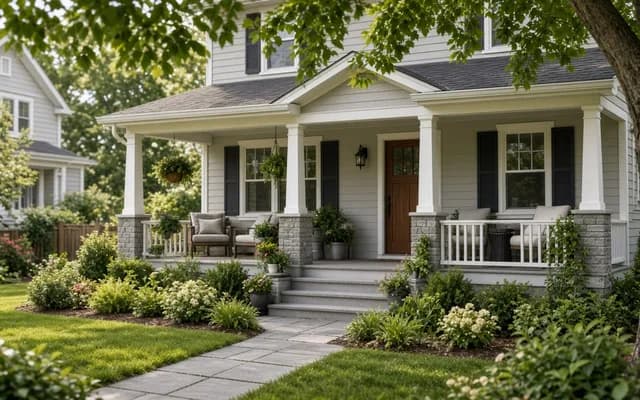 Service guideFront Porch Design & Build
Front porch design and build covers a new or rebuilt covered porch at the entry: footings, floor, columns, roof tied into the house, steps, railings and lighting.
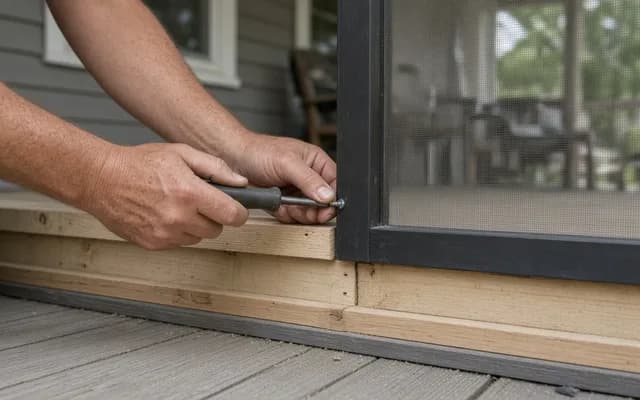 Service guideScreened Porch Construction
Screened porch construction covers either screening an existing covered porch or building a new roofed, screened, unconditioned room: structure, screen panels or a screen system, a screen door, floor and roof details, and electrical.
 Service guideSunroom Additions
A sunroom addition is an enclosed, glazed room attached to the house, built either as a three-season room that is closed but unconditioned or a four-season room with an insulated foundation, thermal glass and heating and cooling that counts as living space.
Homeowner polls
No votes yet. Yours will be the first. · saved on this device
No votes yet. Yours will be the first. · saved on this device
No. It is a planning resource that publishes sourced information about porches and sunrooms and forwards homeowner briefs to independent professionals in the homeowner's area. Those professionals are separate businesses with their own licenses, insurance and terms. The site does not perform, schedule, warrant or price any work, and it does not take a fee from homeowners.
Each figure shows the source's year and, where published, its update month; most cost guides cited were updated in 2025 or 2026 and Fixr's porch guide in 2022 is labeled as such. Figures are reviewed as sources publish new editions. Regional labor and material prices move faster than any guide, so the site presents ranges as planning brackets and points to written estimates for actual prices.
Because they define scope differently: one may price a four-season porch built on a porch footprint while the other prices a custom sunroom addition with its own foundation. Showing both, with the scope each describes, is more honest than picking one. The service pages explain which scope each range covers so a homeowner can place their own project against the right one.
They serve the area and the trade requested. Credential checks remain the homeowner's responsibility: ask for a license number where the state or city requires one, a current certificate of insurance naming you, references for porches with roof tie-ins, and a written proposal that names the flashing, the ledger method and the footings. The reviews page explains what a credible reference sounds like.
Yes. The service pages, calculator, glossary and quiz apply whoever does the work. A roofed porch will need a permit and inspections almost everywhere, a roof tie-in is unforgiving of amateur flashing, and a four-season sunroom involves energy-code and HVAC work best left to professionals. The contact form is for homeowners who want written estimates from pros.
Only in comparison. Fixr's porch-versus-deck comparison appears on the compare page and the home page because many homeowners weigh a roofed porch against a deck of the same size. The porch pages assume a roof; a deck without one is a different project with different footings and a different return, and the site says so rather than treating it as a porch.
It is shared with independent professionals serving the homeowner's area so they can respond with an estimate, and it informs the planning guidance on the site. Sending it obligates nothing. Availability, assessment fees, pricing and scheduling are confirmed directly between the homeowner and any professional before any work is agreed.
 LocationsRegional planning notes
How climate, codes and prices change a project across U.S. regions.
 ArticlesPlanning articles
Cost guides, checklists and mistakes to avoid before you sign.
 ReviewsHow to read reviews
What genuine contractor reviews look like and what they leave out.
Tell us the size, the condition of what is there now, and what you want to change. Porch Planbook passes your request to independent local professionals, who reply with written, no-obligation estimates. The service is free to use.